Introduction to Auto EMC
Auto EMC is a car information-sharing channel that focuses on car life. It aims to provide accurate, timely, and comprehensive car-related information for car owners and enthusiasts, and create a one-stop platform for the majority of Internet users who love cars.
The core members of the AutoEMC team all have more than 10 years of experience in the automobile industry media. We have a profound understanding of the United States automobile industry and good relationships with many well-known auto brands at home and abroad. We will continue to adhere to the principle of objectivity and fairness, and provide timely, accurate, and comprehensive car life information for Internet users who love cars.
AutoEMC is committed to becoming a professional automobile media platform with the most complete content system, the fastest update speed, and the strongest interaction in the United States.
About the CEO of Auto EMC – Benjamin Joan
Vehicle expert Benjamin Joan is the founder of Auto EMC, a company specializing in vehicle electrical and electronic systems. He has over 20 years of experience in the automotive industry and has been working on developing new technologies for vehicles since he was a child.

Address: 501 Dalton Ave, Charlotte, NC 28206, USA
Email: autoemc.net@gmail.com
Contact: (919) 556-0525
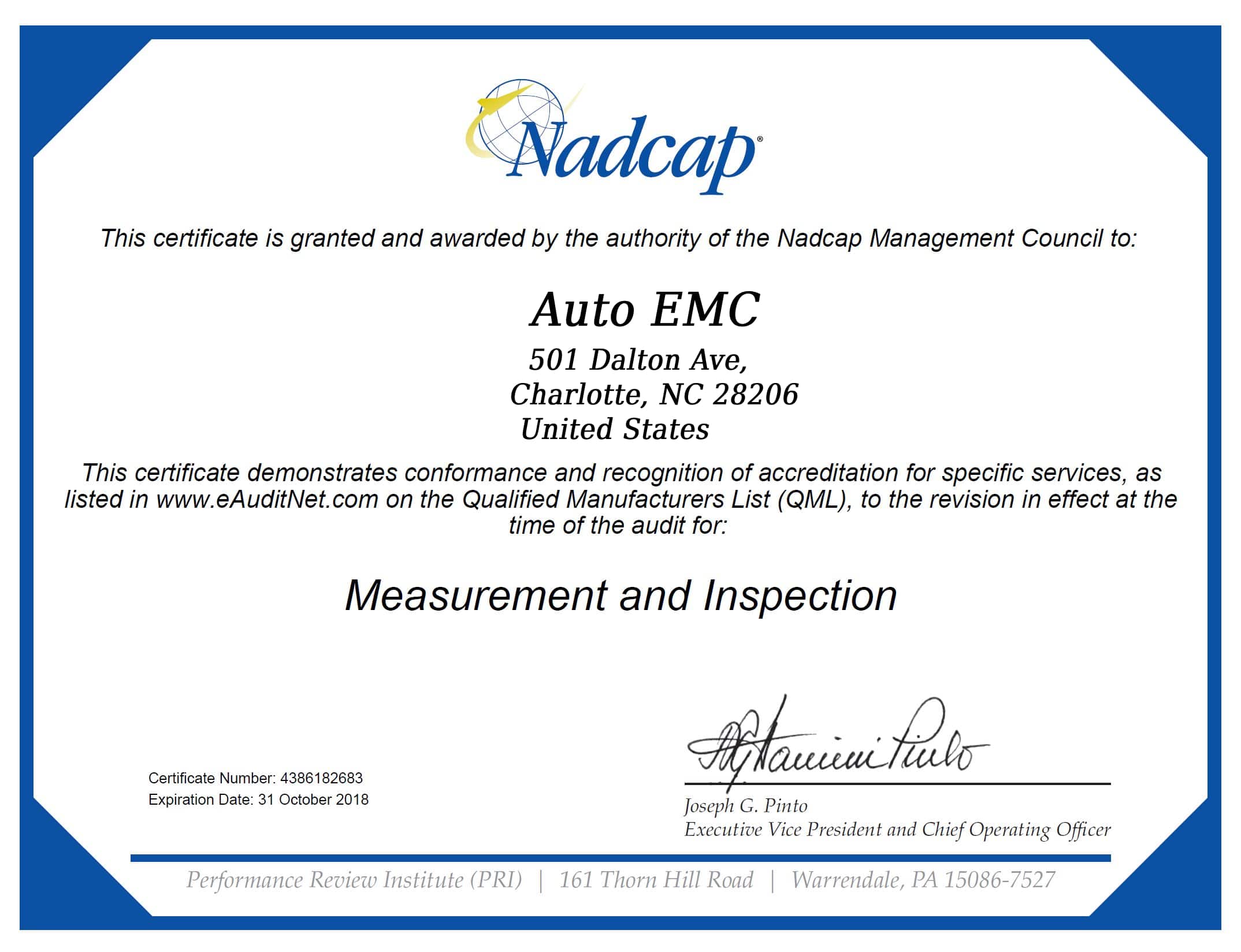
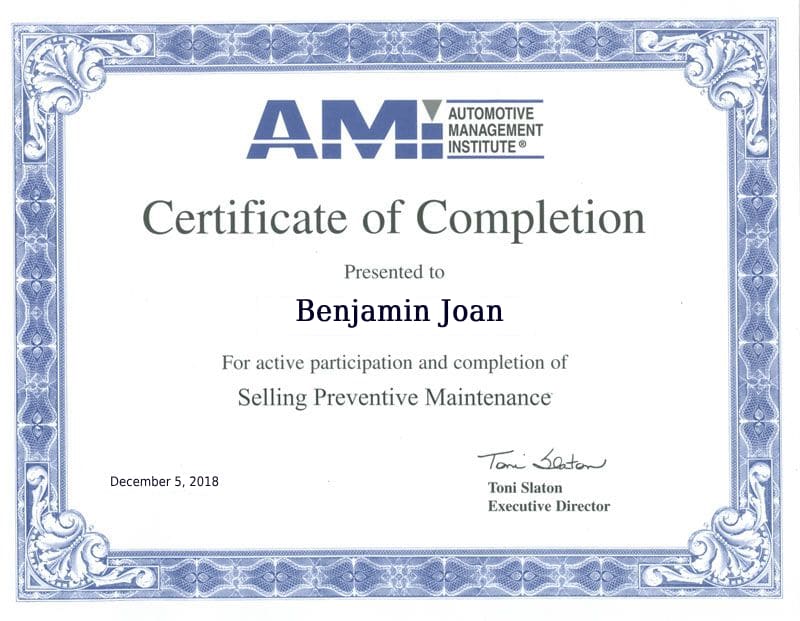
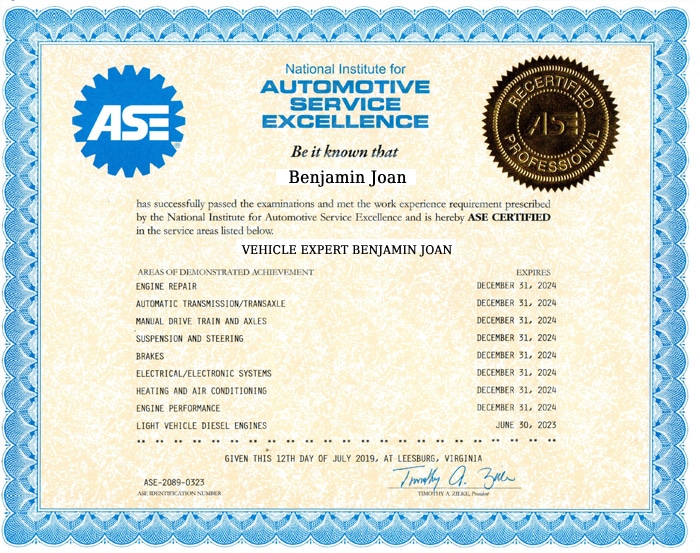
Certifications of Auto EMC
The intricate architecture of automobiles has always been a symphony to my ears, a dance of mechanics and electronics that’s far more than metal and wires. Experience in this field isn’t measured in years alone; it’s the fire in the belly, the relentless pursuit of something more, something profound.
Auto EMC is not just a company; it’s a revolution, a vision to bring car enthusiasts and owners into a world where information meets passion. We’re here to be the beacon for the car-loving community, offering more than just facts but a holistic experience.
Our team, seasoned with over a decade in automobile industry media, holds a deep understanding and connection with global auto brands, promising our audience more than just news but a gateway into the automobile world. We stand for objectivity and fairness, forging paths in professional automobile media.

Our leader, Benjamin Joan, with his 20-year odyssey in the automotive sphere, is the driving force, the visionary propelling Auto EMC towards uncharted territories.
Certifications:
- ASE certification tied to Auto EMC ✔️
- Endorsements from renowned auto brands ✔️
- Recognition from top automotive platforms ✔️
In this cacophony of the digital age, Auto EMC is the voice, the resonance, and the shared heartbeat of every car enthusiast, writing the narratives of car life, one insightful story at a time.
Information channels talk about us
https://www.yumpu.com/user/autoemc.net
https://www.zoominfo.com/c/automotive-emc/10982548
https://en.wikipedia.org/wiki/Electromagnetic_compatibility
https://www.ieice.org/cs/emcj/jpn/international/callpapers-old.html
https://everything.explained.today/Electromagnetic_compatibility/